Structural Repair & Waterproofing
Gumthorn is a UK-based specialist contractor focused on structural repair, waterproofing, strengthening, and related services across various sectors like construction, infrastructure, water industry, rail, highways, bridges, tunnels, petrochemical, healthcare, and more. They operate nationally.
Gumthorn’s remedial waterproofing solutions for movement joints (also called expansion joints) and related issues in structures. These joints allow for movement due to temperature changes, settlement, or loads, but they often fail over time, leading to water leaks.
Key Problems Addressed
Water ingress through failed proprietary systems, such as water bars (hydrophilic or PVC waterstops), membranes, or sealant joints.
Leaks in basements, underground/multi-storey car parks, podium decks, tunnels, service reservoirs, bridge undersides, and areas where expansion joints cross roofs, floors, or walls.
Causes include poor installation, excessive movement beyond design limits, material degradation, or general wear (typical service life of original systems is around 15-20 years in industrial settings)
Gumthorn’s Solutions
They use a combination of techniques to stop leaks and create a durable, flexible waterproof seal:
Injection Waterproofing
Often with thixotropic elastomer gel systems, which is injected to fill voids, bond to joint walls, and form a permanently elastic barrier.
Hypalon bandage systems
Applied over the sealed joint for added reinforcement and a fully warranted waterproof detail.
Sealant Joint
Polysulphide sealant installed after injection. Sometimes a hybrid of injection + Hypalon bandage + sealant.
Typical Process
- Identify the failure cause (e.g., bad water bar installation or excessive movement).
- Remove old filler boards/bond breakers from the joint.
- Temporarily plug with fast-setting repair mortar to enable pressurization.
- Inject the resin/gel to fully fill and bond the joint.
- Remove plugs, install polysulphide sealant.
- Apply Hypalon bandage for reinforcement (can be recessed for protection against traffic/footfall).
This arrests active leaks and provides long-term protection, often extending joint life by another 15-20 years. By stopping all active water ingress first is critical for success, and solutions are tailored to the joint’s movement tolerances. They highlight their directly employed, certified workforce and expertise in complex remedial work.
If you’re dealing with a leak in a car park, basement, or similar structure, this is one of our core offerings.
Leak-Sealing Resin Injection
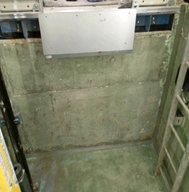
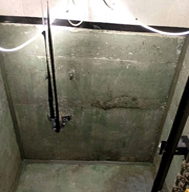
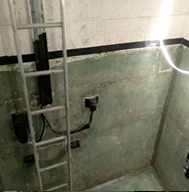
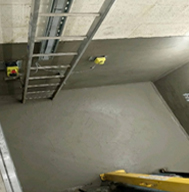
Gumthorn specialises in leak-sealing resin injection, waterproofing, and tanking for lift pits and below-ground structures nationwide.
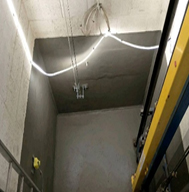
Lift pits (below-ground recesses in lift shafts) often suffer water ingress from groundwater, cracks, or poor drainage, especially under hydrostatic pressure or heavy rain.
Consequences of Water in Lift Pits
Safety Risks
Electrical shorts, electrocution hazards, corrosion of mechanisms.
Operational Issues
Lift breakdowns, costly repairs, downtime.
Health Hazards
Lift breakdowns, costly repairs, downtime.
Other Problems
Pump limitations (contamination/environmental rules), storm backups.
Gumthorn’s Solution
- Resin injection to stop active leaks.
- Surface prep + concrete repairs.
- Waterproof tanking (e.g., high-strength mortars) applied to walls/floors.
This creates a dry, protected pit, preventing recurrence and protecting lift systems. Early specialist intervention avoids major issues.
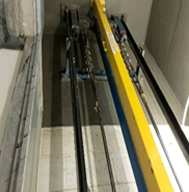
Gumthorn specialises in Lift pit tanking which is the process of applying a waterproof barrier (often called “tanking”) to a lift pit, which is the deep concrete recess or chamber at the bottom of a lift/elevator shaft.
This pit allows the lift car to travel to the lowest floor and provides space for overtravel, buffers, and mechanical components.
The main purpose of tanking is to prevent water ingress, as lift pits are typically below ground level and can be exposed to hydrostatic pressure from groundwater, surface water, or poor drainage—especially in basements or sites with a high water table. Water in the pit can damage electrical systems, guide rails, hydraulics, brakes, or cause corrosion, safety issues, and lift breakdowns.
Key Aspects of Lift Pit Tanking
External (positive-side) tanking — Applied to the outside of the concrete walls and base during initial construction (best practice). This stops water before it reaches the structure. Common materials include:
- Liquid-applied membranes
- Self-adhesive bitumen sheets
- Pre-applied waterproofing systems
- Often combined with drainage.
- Internal (negative-side) tanking — Applied to the inside surfaces, usually as a remedial/repair method when leaks appear after construction or external access is impossible. This is common for existing or leaking pits. Methods include:
- Cementitious tanking — Waterproof render or mortar (e.g., multi-layer crystalline or polymer-modified cement-based coatings) applied directly to the internal concrete faces.
- Resin injection to seal active leaks first, followed by tanking mortar.
- Crystalline admixtures or penetrating sealers.
Lift pits are challenging because they’re small, confined spaces with difficult access, dynamic loads (from the lift), and often wet conditions during installation.
In summary, “lift pit tanking” is a specialised form of structural waterproofing to keep the pit dry and protect the entire lift installation—essential for longevity, safety, and compliance with building codes in below-ground or high-risk areas. External tanking during new build is preferred, while internal tanking is a common fix for leaks.