Pipe Penetrations
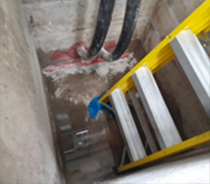
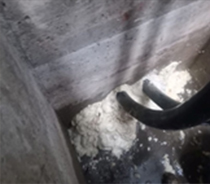
Waterproofing pipe penetrations using Injection Systems is a highly effective remedial or repair method, especially for existing structures where leaks occur around pipes passing through concrete walls, floors, slabs, or foundations (e.g. basements, below-grade areas, or industrial settings). This approach is often used when traditional seals fail due to movement, settlement, vibration, or poor initial installation.
Injection systems involve drilling small holes (packers) near the penetration and injecting specialised resins or foams under pressure. These materials flow into voids, cracks, annular spaces or behind the structure, reacting with water or curing to form a flexible, watertight seal. It’s minimally invasive – no major excavation or pipe removal required – and excels at stopping active leaks, even under hydrostatic pressure.
If left untreated, leaking pipe penetrations can lead to significant deterioration of the concrete and reduce the service life of the structure.
At Gumthorn we effectively repair pipe penetration leaks using Direct Annular Space/ Targeted Polyurethane Injection systems.
The most straightforward for localised leaks around a single pipe. Drill angled holes into the concrete toward the penetration, install mechanical packers (ports), and inject hydrophilic or hydrophobic polyurethane resin. The resin expands (foams) on contact with water, filling gaps, chasing leaks, and bonding to concrete for a durable seal. Ideal for high-flow or pressurised leaks.
Movement joint
Here at Gumthorn we specialise in movement joint installation and repair. This intentional linear gap in the concrete slab allows for movement due to:
- Thermal expansion and contraction (temperature changes)
- Concrete shrinkage during curing
- Minor structural settlement or loading induced defections
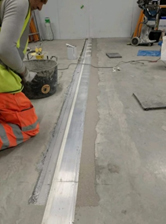
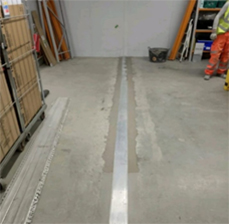
Without these joints, uncontrolled random cracking would occur. In floors like warehouses, factories, or garages, movement joints help maintain flatness and prevent serious structural issues over large areas.
The aluminium strips act as a durable edge protector – preventing the vulnerable concrete edgings from spalling, crumbling, or chipping under forklift traffic, pallet jacks or foot traffic. The metal provides a smoother transition than a plain filled joint reducing tripping hazards and wear.
This method is common in concrete repairs where an old joint has failed, been filled incorrectly, or where a patch/repair area needs to be isolated, so new concrete doesn’t bond rigidly across the joint.