Concrete Protective Coatings
Gumthorn specialises in the application of high-performance concrete protective coatings that defend structures against de-icing salts, chloride ingress, carbonation, saline exposure, and chemical attack. These systems are essential for infrastructure, transportation, marine, and industrial environments where concrete is exposed to harsh conditions.
As an approved installer for leading coating manufacturers, Gumthorn works closely with suppliers to develop tailored, cost-effective repair and protection solutions. This ensures durable, long-lasting performance while meeting project-specific requirements and budgets.
Application Services Include
Cementitious fairing coats
Corrosion inhibitors
Anti-carbonation and anti-graffiti coatings
Epoxy industrial flooring systems
Polyurethane waterproof and floor coatings
Water-based epoxy dust-proofing systems
Epoxy anti-slip coatings
Chemical-resistant coatings
Steel protective coatings
Hygienic coatings
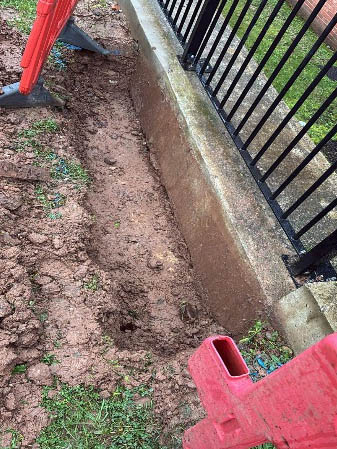
Gumthorn delivers specialist application expertise to extend the lifespan and performance of concrete structures.
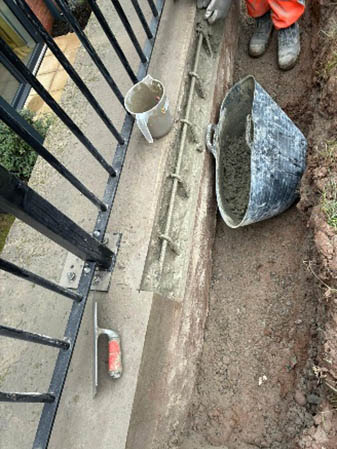
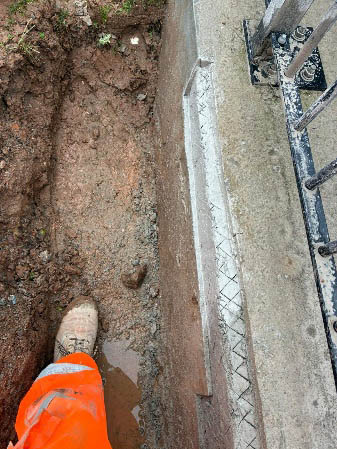
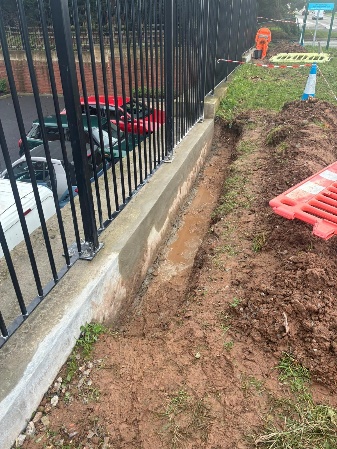
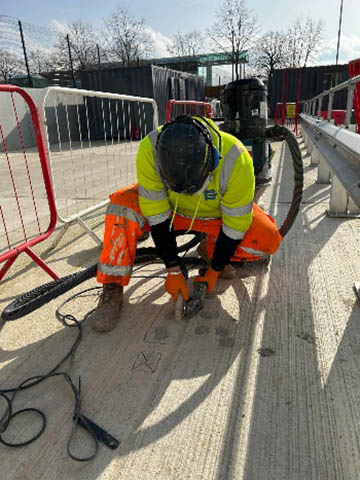
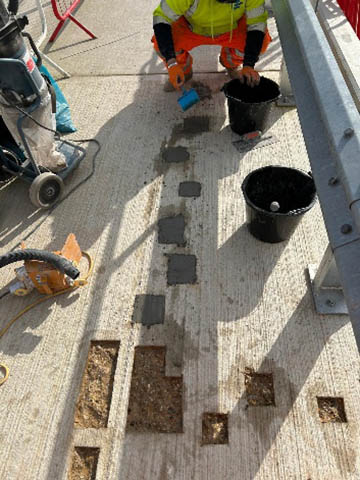
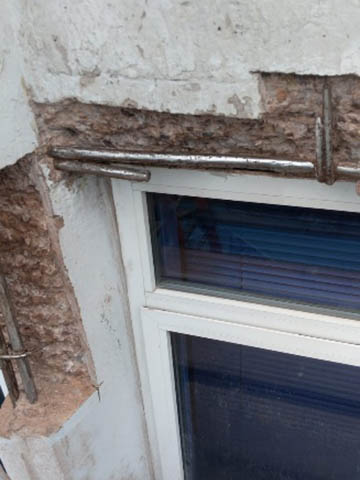
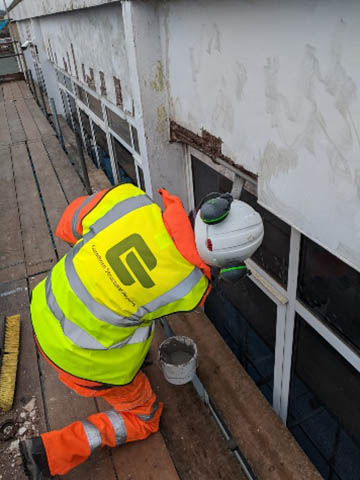
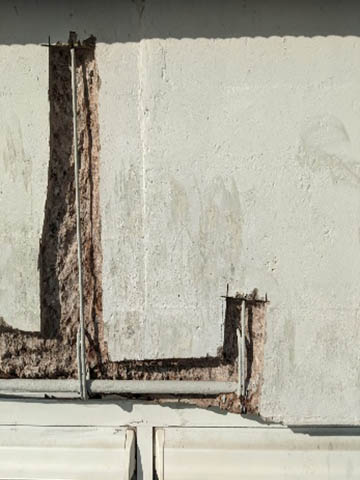
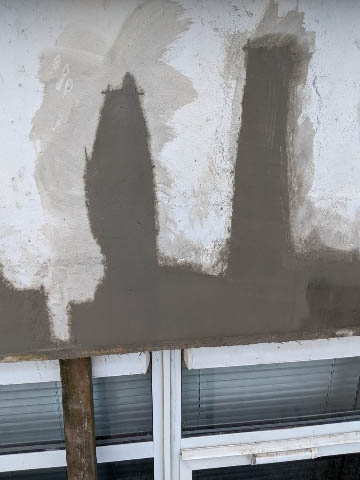
Remedial slab concrete repairs using patch repairs involves removing the damaged areas, the applying cementitious patching mortars, then thin surfacing compounds to fix spalling, chips, pitting or surface defects.
These repairs extend the slabs lifespan, improve safety, prevent further damage (like water ingress leading to more corrosion), these repairs are a cost-effective alternative to full slab replacement.


Project Breakdown
1. Concrete Repairs
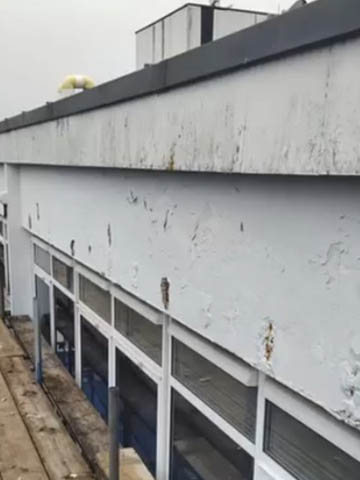
Cracks, spalling, or damaged sections in concrete walls, floors, foundations, or slabs are patched using repair mortars, epoxy injections, or resurfacing compounds. This restores structural integrity before addressing water issues.
2. Leak and Damp Repairs
Identify and fix the source: plumbing leaks, roof/gutter issues, rising damp (from ground moisture), or penetrating damp (from rain). This might involve installing a damp-proof course (DPC), improving drainage, sealing cracks, or applying membranes. Skipping this step causes problems to return even after painting.
3. Skim (Plastering or Skim Coating)
Apply a thin layer of plaster or cement-based skim coat over repaired/damaged surfaces (walls, ceilings, or floors) to create a smooth, even base. This hides imperfections, levels uneven areas, and prepares for waterproofing/finishing. It’s especially common after water damage to cover stains or rough patches.
4. Waterproofing
Apply sealants, membranes, tanking slurries, or waterproof additives to block moisture penetration. This is key for long-term protection in damp-prone areas.
5. Finish Paint Job
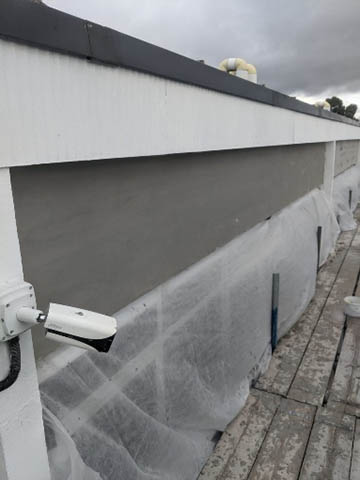
Top with a high-quality, often damp-proof or breathable paint (e.g., anti-mould or masonry paint) for aesthetics, extra protection, and easy cleaning.